· News · 5 views
An AI-Powered Steam Demo Is Costing Its 4-Person Team Over $1,000 a Day
Easy Fox, the small studio behind voice-controlled driving sim Teach My Little Sister How To Drive, took out a bank loan after its AI-driven demo grew more than twentyfold in a month.

A viral Steam demo is usually every indie developer's dream. For Easy Fox, it has also become a bill. The four-person team behind Teach My Little Sister How To Drive says its AI-powered demo now costs more than $1,000 a day to run, and it has taken out a bank loan to keep it online.
What happened
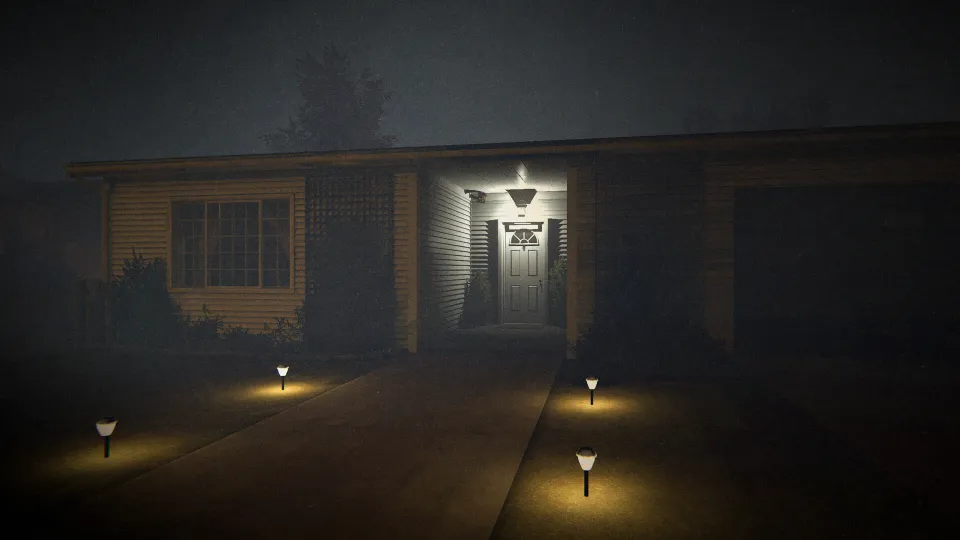
Teach My Little Sister How To Drive is a chaotic driving sim where you sit in the passenger seat and can only help your sister pass her driving test by talking to her. Your voice is the controller: an AI model listens to your directions and turns them into her responses and actions behind the wheel.
In a Steam update, Easy Fox said the number of demo players has grown "more than twentyfold" over the past month. "We are currently spending over $1,000 per day on AI services for the demo," the studio wrote, adding that the cost isn't high per player, but adds up because so many people are playing.
The surge also broke the game's AI setup. Its primary model, Google's Gemini, started returning usage-limit errors. Easy Fox says it asked Google Cloud for a higher usage tier but was told a manual increase wasn't available; the studio needs more usage history to qualify, while the limits stop it from building that history. The game is now leaning on an OpenAI fallback model, and players have reported overly long replies, unnatural dialogue and commands carried out wrong, such as turning right when told to turn left.
Key details
- Developer and publisher: Easy Fox (team of four)
- Platform: PC (Steam); full release planned for January 2027
- Tech: voice-only controls powered by cloud AI models (Gemini primary, OpenAI fallback)
- Demo cost: more than $1,000 per day in AI services
- Funding: a bank loan to keep the demo running
- Pricing plan: expected AI usage will be built into the game's price; no separate token charges after purchase
- Next steps: restore Gemini, improve dialogue quality, and add local AI models for players with capable GPUs
Easy Fox says it wants to keep the demo running but may have to close it early under financial pressure. It hasn't made that decision yet.
What it means for developers
This is one of the clearest real-world examples yet of the hidden cost of building gameplay on cloud AI:
- Free demos aren't free anymore. With traditional games, extra demo players cost almost nothing. With live AI calls, every session has a running cost. Budget for success, not just for launch.
- Rate limits are a launch risk. Provider usage tiers can block you right when you go viral. Ask about limits early, build usage history before a big showcase, and have a tested fallback.
- Fallbacks change the game. Swapping models changed how the sister talks and behaves. If your game depends on a model's personality, test your backup models as seriously as your main one.
- Consider local or hybrid models. Running smaller models on the player's GPU, as Easy Fox now plans, can cut costs and dependence on outside services.
- Price for ongoing costs. A one-time price has to cover AI usage for as long as people play, which is a very different business model from a typical premium game.
Sources
Cover image: © Easy Fox.