· News · 8 views
Unity Acquires Synty Studios, Bringing Its 60,000-Asset Library to Unity Spark
Unity has acquired POLYGON maker Synty Studios, and its low-poly asset library will feed Unity Spark, the company's upcoming AI game-creation platform.
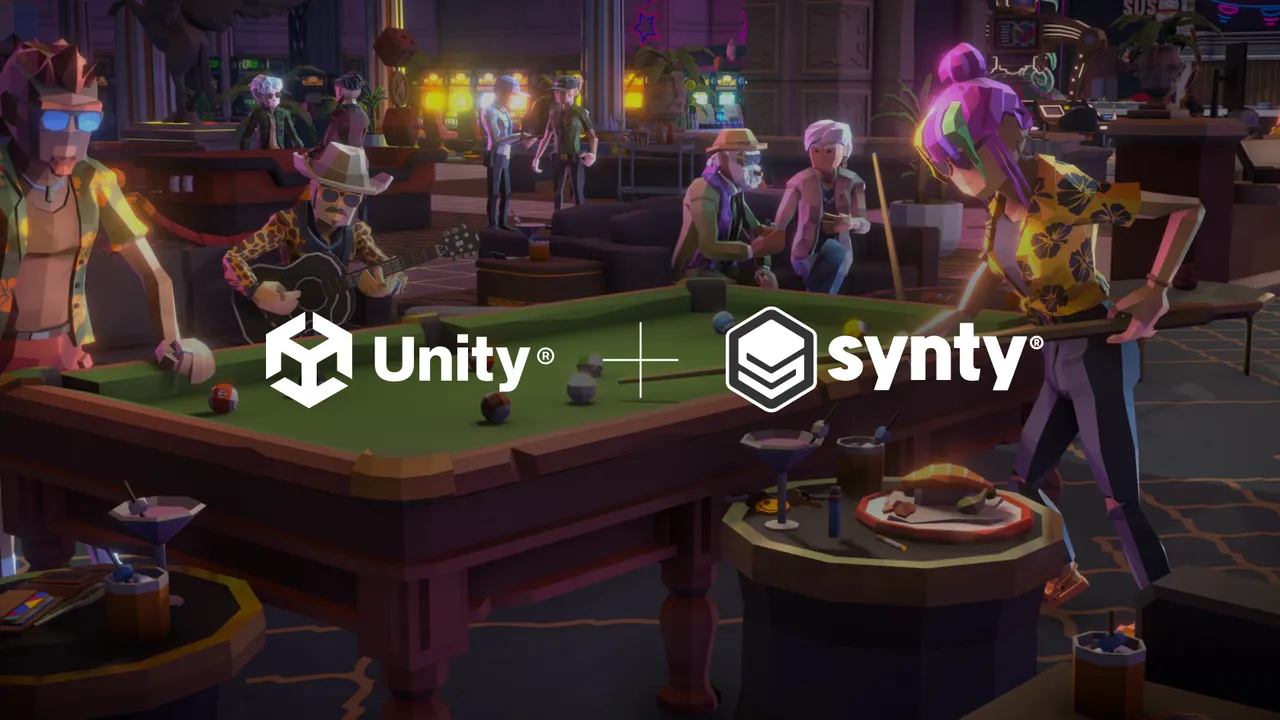
Unity has acquired Synty Studios, the New Zealand-based creator of the POLYGON line of low-poly 3D asset packs, and will bring its library into Unity Spark, the company's upcoming AI-native game creation platform. Unity announced the deal at Unite Tokyo, and coverage followed on November 17.
What was announced
Unity says the founders and most of Synty's artists are joining the company full time, and that Synty will keep its brand, its team and its style. In its announcement, Unity describes a library of more than 60,000 stylized assets, built up since Synty started in 2014 with one pack published on the Unity Asset Store.
Unity Spark is pitched as a way for anyone with an idea to make a game. Synty's existing catalog and new content from its artists will be integrated into Spark, which connects directly to the Asset Store. The library arrives with the Spark closed beta, which Unity says will open later this year. Synty co-founder Mike Clephane framed the move around creators, saying that "joining Unity will allow our artists to continue building" the worlds and characters their community uses today.
Key details
- Acquirer: Unity Technologies
- Target: Synty Studios, creator of the POLYGON asset packs, founded in 2014
- Platforms/Engine: Packs stay available for the engines and tools they support today, including Unreal Engine and Godot, as well as Unity
- Price/License: Unity says there are no plans to change Synty's pricing at this time, and existing purchases and licenses are unaffected
- Release date: Synty's library enters Unity Spark with the closed beta "later this year"
- Missing or unconfirmed: The sources reviewed do not disclose the deal's financial terms, and no exact date has been given for the Spark closed beta
What it means for developers
- Existing projects should not need changes. Unity says Synty's packs, licenses, the Synty Store and Synty Pass all stay the same, so current projects are not expected to be affected.
- Asset Store workflows may tighten. Synty packs stay on the Unity Asset Store, and Spark connects to that store, so Unity users may see more store-driven content and integration over time.
- Watch the terms, not just the price. Unity's "no plans... at this time" wording leaves room for later changes, so keep records of Synty purchases and license terms.
- Low-poly kits remain a fast prototyping base. Stylized packs let small teams block out a playable scene quickly, regardless of which tools they end up shipping with.
- Test Spark when it opens, but do not depend on it yet. The closed beta has no firm date, so keep your current pipeline working and evaluate Spark against a real prototype before adopting it.
Sources
Cover image: © Unity Technologies / Synty Studios.