· News · 5 views
EA Closes BioWare After 30 Years and Ends the Next Mass Effect
EA is closing BioWare, the studio behind Mass Effect and Dragon Age, and ending early work on the next Mass Effect. Bloomberg reports around 400 jobs are being cut.
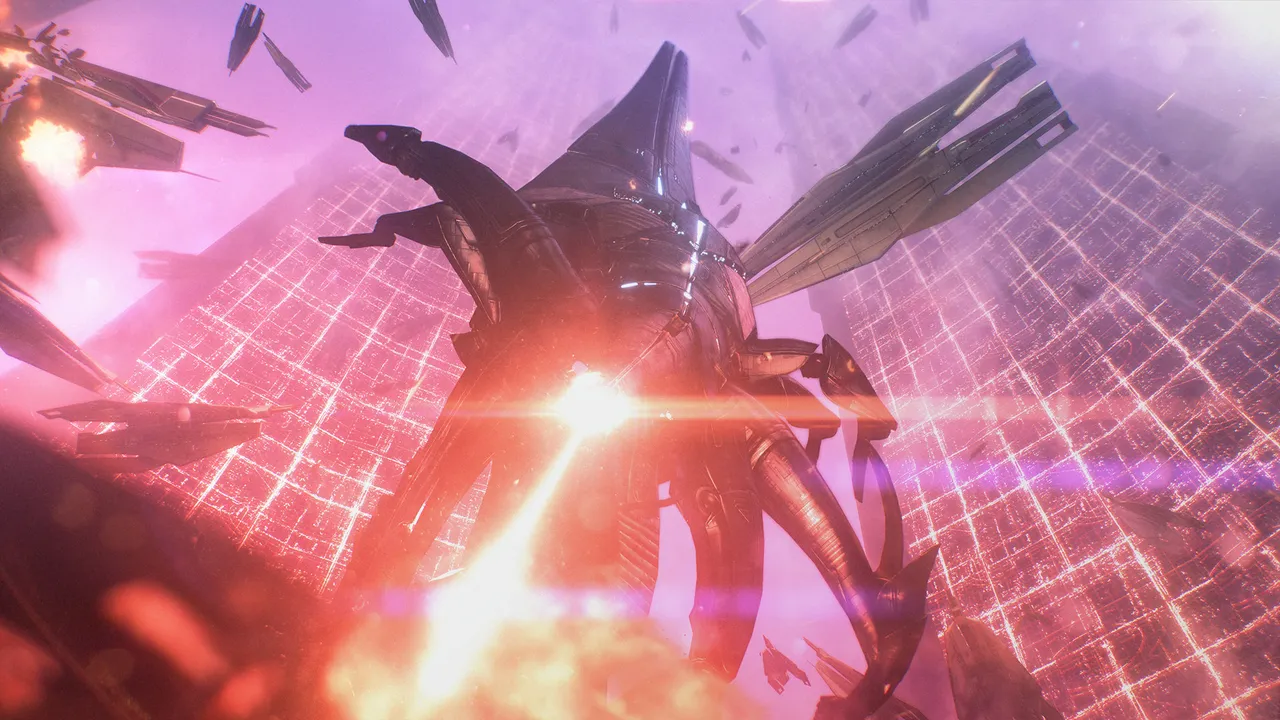
EA is closing BioWare, the studio behind Mass Effect, Dragon Age and Knights of the Old Republic, after nearly 30 years of making games. BioWare confirmed the closure in a statement on social media and said early development on the next Mass Effect project is ending. The news arrives alongside reports of a wider round of cuts at Electronic Arts that could affect around 400 people.
What was announced
BioWare's statement, quoted by GamesRadar+ and Game Developer, is short and direct. The studio says it "is closing and early development on the next Mass Effect project is ending." It adds that "there is nothing easy about writing those words." Game Developer's background piece recalls that BioWare was founded in 1995 and released Baldur's Gate in 1998, the first Mass Effect in 2007 and Dragon Age: Origins in 2009.
The wider picture comes from a Bloomberg report that Kotaku and Game Developer both cite. It says EA plans to lay off about 400 employees, including around 50 people working at BioWare on the new Mass Effect. An internal letter from EA COO David Tinson and chief studios officer Cam Weber reportedly cites "a hard look at the business" and describes "deliberate choices" across the portfolio.
The reports also describe cuts beyond BioWare. According to Game Developer's summary, a Sims project called Project Lotus has been canceled, Project Evergreen is being prioritized, and resources are being pulled from skate. at Full Circle Studios, which remains in active development.
Key details
- Studio: BioWare, owned by Electronic Arts since 2007
- Action: Studio closure, with early development on the next Mass Effect ending
- Reported layoffs: About 400 across EA, per Bloomberg
- Reported cancellations: Project Lotus (a Sims project)
- Reported next steps: Respawn and DICE are said to be working together on a new game, "likely" a Star Wars Battlefront entry
- Ownership context: EA was bought in a $55 billion deal by a group including Saudi Arabia's Public Investment Fund, Silver Lake and Affinity Partners
- Missing or unconfirmed: The 400-person figure and the Battlefront plans come from reporting rather than an official EA announcement. EA has not published an on-record statement beyond the reported internal letter.
What it means for developers
- Big franchises are not safe harbors. A studio with a 30-year history and famous franchises can still close within months of a corporate ownership change. Indie teams should plan runway that does not depend on one publisher or one funding source.
- Publisher priorities shift fast. The reports say EA is moving toward multiplayer and live-service projects. If you pitch to a publisher, ask how the deal would hold up if its priorities changed mid-development.
- Read termination and IP clauses closely. When a studio or project is shut down, rights, source code and unreleased assets can become tangled. Make sure your contracts state who owns what if the partner exits.
- Keep your own pipeline moving. Many experienced developers from closed studios will look for work or form small teams. Keep your roadmap visible, your build reproducible and your community informed, so a shake-up in the industry does not stall your own work.
- Watch the talent market. Layoffs free up senior writers, designers and engineers. If you can hire or collaborate with them, a small team can pick up skills that used to take a large studio.
Sources
Cover image: © BioWare / Electronic Arts.